Gulf Land Integrated Investment co

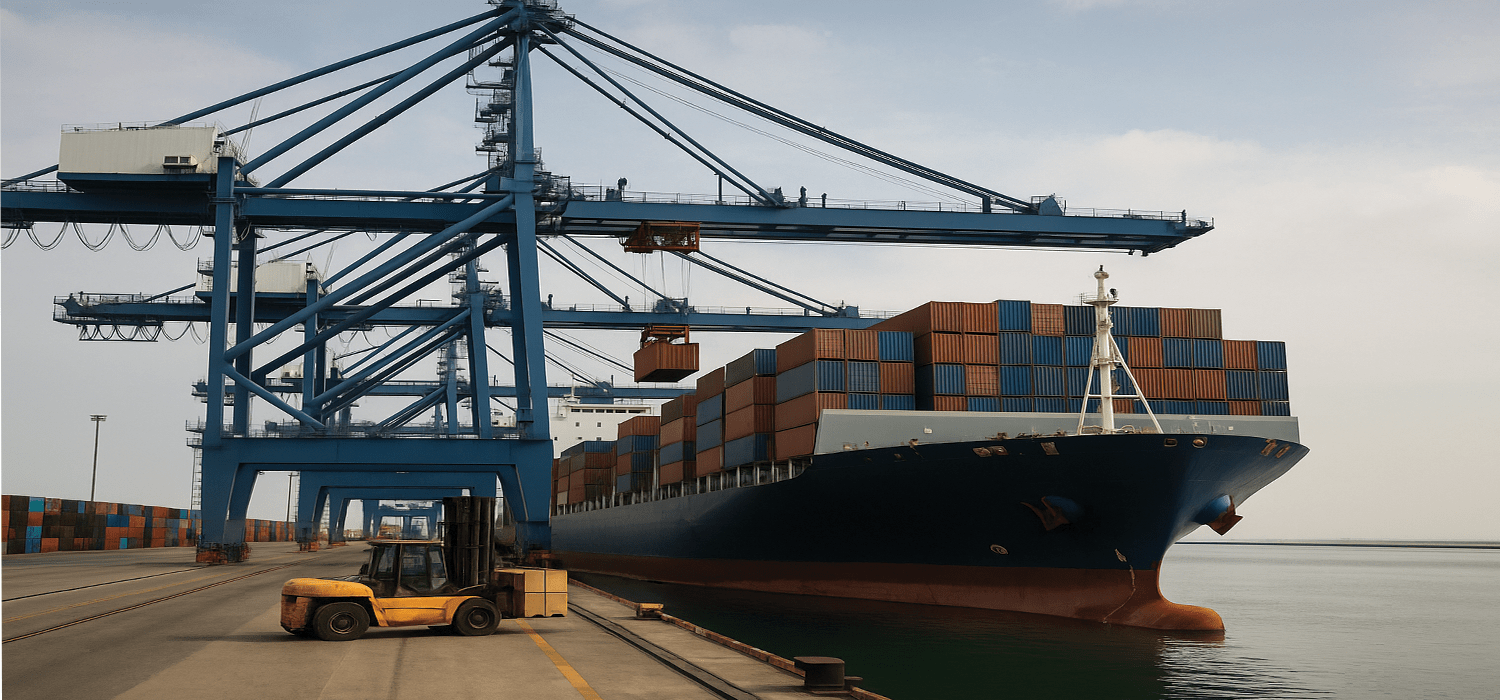
International logistics refers to the management of the flow of goods, services, and information across international borders. It involves planning, coordinating, and implementing complex operations including transportation, warehousing, customs clearance, documentation, and compliance with international regulations. In today’s global economy, international logistics is vital for manufacturers, exporters, importers, and retailers.
Beyond the physical movement of goods, international logistics also requires a deep understanding of diverse cultures, time zones, and legal frameworks. Coordinating shipments across continents means navigating language barriers, local holidays, and country-specific import regulations. Successful international logistics operations depend not only on infrastructure and planning, but also on strategic communication and reliable partnerships that bridge the gaps between global markets.
The first and most essential part of international logistics is transportation. This includes multiple modes such as:
International supply chains often require temporary storage of goods at different stages. Warehousing includes:
Customs procedures are a critical component of international logistics. They ensure that goods comply with legal and regulatory requirements of both the exporting and importing countries. Important aspects include:
Proper documentation is essential for smooth and legal international trade. Common documents include:
Missing or inaccurate documents can lead to delays, penalties, or seizure of goods.
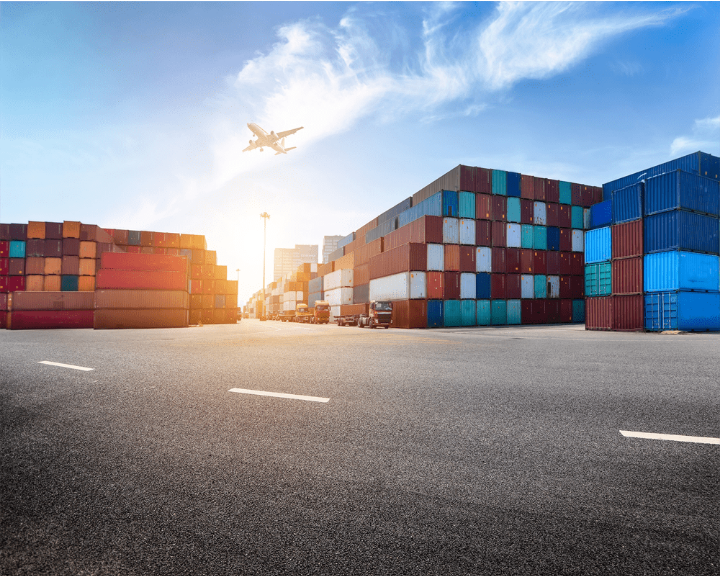


To overcome challenges and maintain efficiency, businesses should:
These strategies can significantly reduce costs, improve customer satisfaction, and ensure business continuity.
Developing an effective international logistics strategy requires more than operational choices—it demands a proactive, forward-thinking mindset. By analyzing past disruptions and anticipating potential risks, companies can create flexible frameworks that adapt quickly to changing global conditions. Incorporating advanced analytics, scenario planning, and continuous supplier evaluation ensures that logistics operations remain stable, even during geopolitical or economic uncertainty.

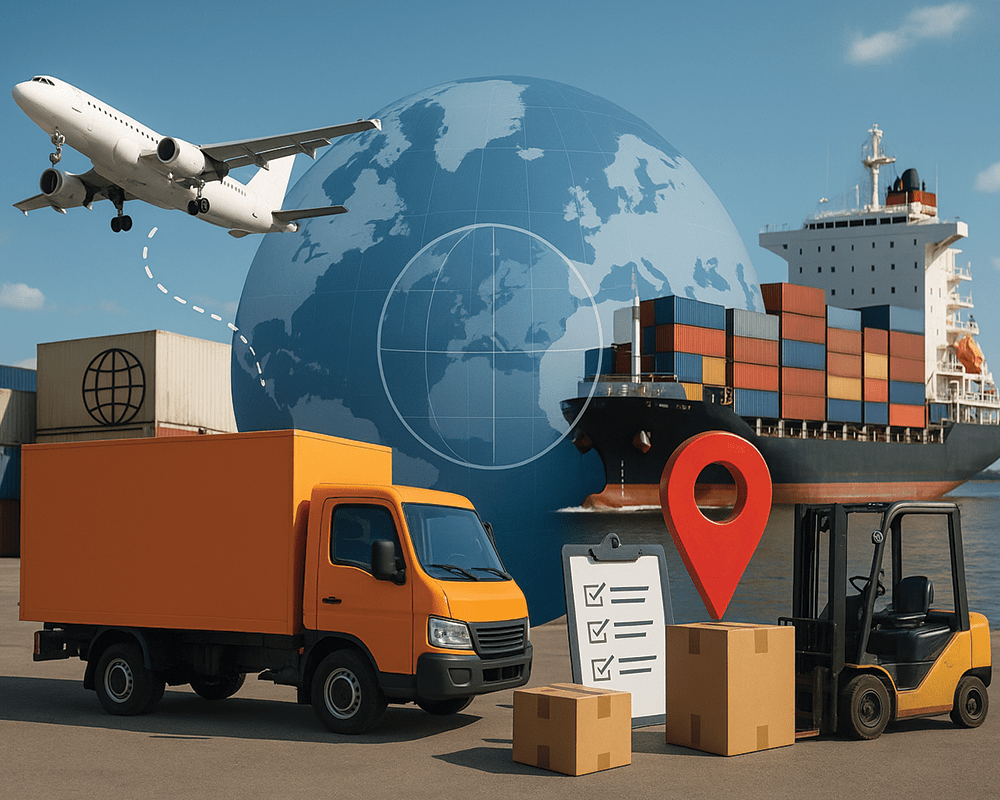
International logistics is more than a functional necessity—it’s a strategic pillar that shapes how companies compete and grow in a globalized world. From navigating cross-border regulations to building resilient supply chains, success depends on smart planning, strong partnerships, and continuous adaptation. Businesses that invest in efficient, flexible logistics operations are better equipped to respond to market demands, manage risks, and thrive in the evolving landscape of global trade.